


In case of exacerbation of pancreatitis, diet is a mandatory part of medical therapy.It is aimed at stopping the manifestations of pathology that cause painful discomfort to a person.
It is believed that in the treatment of pancreatitis, especially during an exacerbation of the disease, compliance with a dietary regimen is important.The main purpose of this event is to reduce the activity of the pancreas.To achieve this effect, a specific food complex called the 5p diet (according to Pevzner) was created: a standard diet or a variant when all food is processed into puree (mash).
Pureed diet is prescribed during an exacerbation of the disease, in the most severe period of the disease.All prescribed meals are served to the patient in a highly crushed to puree state.
Dietary requirements 5p
- The amount of calories consumed is 1800 units per day;
- For fats, the daily dose is no more than 60 g, proteins - 80 g, carbohydrates - 200 g, no more than 10 g of salt, one and a half liters of liquid;
- Daily rate of trace elements: magnesium - 500 mg, potassium - 4 g, calcium - 1 g, iron - 30 mg, phosphorus - 2 g, sodium - no more than 4 g;
- The vitamin composition of the food should include: vitamin B1 - 1.8-2.5 mg, vitamin A - 1.5 mg, can be replaced with beta-carotene in the same dose, vitamin C - 100-150 mg, vitamin PP - 19 mg.
Food should be easily digestible, so a diet for exacerbation of pancreatitis includes reducing the intake of carbohydrates, avoiding fats and consuming proteins of animal origin only.During the first week of exacerbation, salt should be removed from the diet.
To accurately distribute your daily diet, you should refer to the tables of recommended and prohibited foods for pancreatitis.And there is also information on the composition of permitted products.
Nutrition in the acute stage
In addition to drug therapy, nutrition plays a huge role in recovery in the acute period and during an exacerbation of pancreatitis.According to the recommendations of doctors, if you stick to a certain diet, you will avoid surgical and even medical treatment.
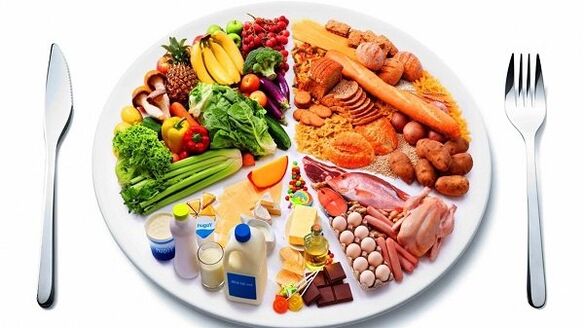
In case of exacerbation of pancreatic pancreatitis, partial sparing nutrition is prescribed for at least 12 months.For such a long period of time, the functions of the abdominal organs are almost completely restored and the human body gets used to healthy eating.
This regimen allows you to avoid relapses of the disease in the future.
The first time after an exacerbation of pancreatitis, the patient is shown diet No. 5, which is agreed with the attending physician in connection with the individuality and tolerance of certain foods.
Nutritional nuances:
- divided meals up to 6 times a day;
- small amount of serving;
- the time interval between meals is 3-4 hours;
- hot food;
- minimal amount of salt in dishes;
- In no case should you overeat.
If an adult has worsening pancreatitis, the best solution is hospitalization.In a hospital setting, the diet will be followed unconditionally with the least dietary disturbance.
Taking various drugs or using recipes from traditional medicine will not help to completely get rid of such an unpleasant phenomenon as an exacerbation of pancreatitis.A special diet for acute pancreatitis is one of the components of the complex therapy of this disease.
A gentle diet is usually prescribed for a period of 12 months.This time is quite enough for the gastrointestinal tract to restore its functions and begin full-fledged work.
So, what is the diet plan during an exacerbation of pancreatic pancreatitis, what features should you know?It should be emphasized that the diet plan for recurrent manifestations of chronic pancreatitis has much in common with that prescribed for relapse of the acute form of the disease.
Complications of the disease can contribute to:
- Very spicy and fatty foods.
- Failure to comply with dietary requirements.
- Long intervals between meals.
- Various types of pathologies of the gastrointestinal tract, liver and stomach.
The main goal of the diet is maximum calming of the pancreas, which is achieved by reducing the secretion of digestive enzymes that cause inflammation of the pancreas.
Features of the transition to dietary nutrition during an exacerbation of the inflammatory process.
The following signs indicate an exacerbation of chronic pancreatitis:
- Severe cutting and sudden pain in right and left hypochondrium.
- The pain worsens after each meal.
- Vomiting.
- Stools are dirty gray in color.
- diarrhea
- nausea
- High body temperature.
- Lack of appetite.
At the first exacerbation of chronic pancreatitis, diet No. 5p is recommended.However, in some cases, individual deviations are allowed, but the dishes on the menu should always have the daily calorie content prescribed by nutritionists, the recommended amount of proteins, carbohydrates, fats and useful trace elements.Deficiency of these substances can cause deterioration of the patient's condition.
Diet for pancreatitis in the acute stage includes the presence of dishes that are boiled or steamed.All foods should be liquid or semi-liquid and consumed extremely warm.
Food intake should be regular and in small portions, and the interval between intakes should not exceed 3-4 hours.The optimal number of meals per day is 6-7 times.Salt in dishes should be completely absent or present in very small doses.You cannot eat hot or cold food.
All products that can irritate the pancreatic mucosa in one way or another are excluded.In addition, the presence of products with increased juice capacity is unacceptable.
The prescription of a carbohydrate-protein diet during an exacerbation of pancreatitis is the basis of nutrition at this stage.Proteins are necessary to repair the damaged cells of the inflamed organ.If you suspect diabetes, the amount of carbohydrates should be reduced with sweets and simple sugars that are quickly digested.
In case of exacerbation of chronic pancreatitis, reduce the use of salt for 15-20 days due to swelling of the gland.
Each dish is consumed warm, liquid or porridge, without spices.Food is taken in small portions, but often - up to 8 times a day.This prevents the affected organ from producing excess enzymes due to overeating.
The list of necessary products and what you can eat from the meals will be explained in detail by the doctor at first.
Table: chemical composition of food during exacerbation
In order to eat properly and not worsen the condition, you need to know the chemical composition of the food you eat.Proteins are the basis of nutrition.Fats are kept to a minimum.Carbohydrates are also maximally limited due to the dual role of the pancreas in the body: it performs an endocrine function by producing insulin to break down carbohydrate molecules and maintain normal blood sugar levels.Therefore, carbohydrate foods are a high load for the affected organ.
| substance | Daily amount |
| squirrels | 80 g (of which 30% animal origin) |
| fats | 40–60 g (of which 25% vegetables) |
| Carbohydrates | 200 gr |
| salts | 8–10 gr |
| Liquid | 2.5 l |
Making a menu for exacerbations
When drawing up a diet menu for a patient during an exacerbation of pancreatitis, you should have the following data at hand: a list of permitted and healthy foods, a table of calories, a table of the content of trace elements and vitamins in food.This is quite extensive information, but this data is freely available on the Internet - it will help you strictly follow the diet instructions.
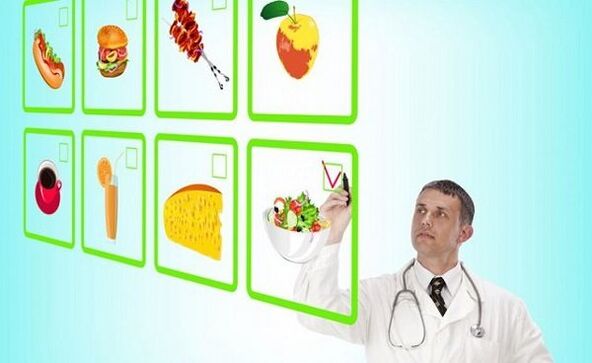
What you should consider when making a diet menu:
- Every meal should end with a drink.
- The first breakfast is light.A baked product with a small portion of protein is the perfect combination to start the day.
- The second breakfast should be more nutritious;it can include a fish or meat dish, vegetables and fruits.
- The lunch portion starts with a first course of bread, is supplemented with any protein dishes, fruits and finally a drink.
- Afternoon breakfast is a light breakfast.You can eat fruit, puddings, cottage cheese, casserole.
- For dinner, it is best to serve a combination of meat with a side dish, some bread or crackers.Finally, there can be vegetables, fruits and, of course, a drink.
When eating, the patient should listen to his feelings, adjust the portions and content of the diet based on his condition.There is no need to force yourself to finish a portion or to force yourself to eat a certain product.The emotional calm of the patient is also important to alleviate the physical condition.Exacerbation of pancreatitis is a reason to relax and not force your body.
First-third day
Only mineral water (without gas) and rose hip drink are allowed.Liquids should be drunk slowly, in small sips.The maximum amount is 1 liter/day.
Fourth - sixth day
From this point on, the patient is given sugar-free tea with biscuits.If improvements are noted in the patient's condition, mucosal puree soups with an absolute lack of salt are introduced into his menu.
For the second course, steamed protein omelette and pureed milk porridge from rice or buckwheat are served (milk for preparing such porridges is first diluted with water in equal proportions).
Sixth day
The menu includes cottage cheese, butter (10-15 g/day), dried white bread, pureed or pureed soups.Carrots, potatoes and beets are used for their preparation.
Seventh-eighth day
From that moment on, the patient's diet expanded to include meat and fish dishes, which were exclusively steamed.
For example, you can serve steamed souffle from pre-cooked meat or fish.Please note that fish and meat for dietary nutrition are accepted only from low-fat varieties.
Ninth - tenth day
From that moment on, döner, cutlets and steamed meatballs were introduced to the menu.
The diet for exacerbation of pancreatitis of the pancreas is based on the priority predominance of easily digestible proteins of animal origin.The presence of carbohydrates should be reduced and the intake of fat should be minimized.
The presence of a sufficient amount of calcium in the dishes helps to strengthen the walls of the blood vessels.
What can and what can not be done during an exacerbation of pancreatitis?
The diet menu should include:
- Slimy first courses (soups).
- Liquid pureed porridges that have been pre-wiped.
- Protein omelets.
- Dry white bread.
- Cutlets from turkey, chicken, lean fish and beef, which are cooked in a double boiler.
- Sour.
- Decoction of rose hips.
- Vegetable and fruit purees.
This approach to nutrition, minimizing unwanted stomach irritation, helps to eliminate pain and cramps.
A diet for pancreatitis during an exacerbation includes complete abstinence from the following foods:
- Dishes based on strong broth (fish, meat, vegetables).
- Salty and spicy food.
- Fatty and fried foods.
- Smoked meats.
- Sausages.
- Foods with various food additives.
- Baked goods with yeast and various sweets.
- Ice cream, sparkling water.
- Alcohol, cigarettes.
- Coffee (natural), strong tea.
- Various sauces, mayonnaise.
- Slices of black bread.
Approximate menu for one day in case of relapse of the disease
Although the diet for pancreatitis during an exacerbation is curative, this does not mean that a person's diet is reduced to a minimum number of meals.Diet kitchen has a sufficient number of varied recipes not only for every day, but also for the week.Thanks to this, it is very easy to create a menu so that not only healthy, but also new food options are present on the table.
For example, the menu for 1 day:
- breakfast.Egg white omelette (cooked in a double boiler), medicinal chamomile tea or rosehip decoction.
- Lunch.Baked apple without the skin with honey in the oven.
- Dinner.Thin barley soup, a slice of dry white bread, diluted fruit compote.
- Afternoon breakfast.Non-sour fruit jelly.
- Dinner.Semolina porridge, tea or decoction.
In addition, nutritionists recommend drinking a little natural yogurt or low-fat kefir every night, approximately 100-150 ml.
For children
Acute pancreatitis in children is relatively rare.Its development is possible in drug-addicted children, with viral infections, septic conditions, poisoning, when taking drugs and after abdominal trauma.Most acute pancreatitis occurs between the ages of 11 and 15.The clinical picture is dominated by pain (from moderate pain to spasms and severe pain), localized in the epigastrium, in the left hypochondrium and near the navel.
In the acute form of the disease, the same principles of nutrition are observed as in adults - gradual expansion of the diet and loading of the gastrointestinal tract.After one month, cutting food is no longer required, but meals are still prepared by boiling, baking or steaming.Soft cheeses (eg Adyghe) are allowed.The diet includes chicken, fish and meat, cottage cheese and cottage cheese, pasta.
The vegetables you can give your child are potatoes, zucchini, cauliflower, carrots, broccoli, beets, pumpkin, but only after heat treatment.Fermented dairy products are actively included in the diet.Food should still be undersalted.5 g of butter are allowed with porridge;soup and vegetable purees are seasoned with sour cream or vegetable oil in the amount of 1 tsp.
In case of acute pancreatitis, a strict diet is required for 1 month, and with improvement the diet is expanded.The main principles of treatment Table No. 5 should be followed for 5 years (even in the absence of symptoms) until this diagnosis is eliminated.Even then, gross violations of the diet are undesirable.
After acute pancreatitis and chronic pancreatitis are excluded:
- carbonated beverages;
- condensed milk;
- ice cream;
- fermented and salted products;
- broths, fatty meats;
- fried and fatty foods;
- sausages, sausages, preserves, pates;
- sour fruits and berries (sour apples, cherries, blueberries);
- spices;
- millet and pearl barley;
- culinary pastries (cakes, pastries) and baked goods, chocolate, nuts;
- vegetables with coarse fiber (overripe peas, peppers, radishes, radishes, horseradish, onions, garlic).
In case of reactive pancreatitis, the recommended diet is followed for 2 weeks, after which strict restrictions are not imposed, but the child should be provided with age-appropriate nutrition.
Nutrition for pancreatitis menu for one week
| Monday | Tuesday | Wednesday | Thursday | Friday | Saturday | Sunday | |
| breakfast | rice pudding, low-fat cheese, bread, oatmeal | casserole from low-fat cottage cheese with the addition of fruits and berries, compote from permitted fruits or dried fruits | rice casserole with yogurt and permitted fruits, tea | biscuits, berry jelly | low-fat cottage cheese with fruit or berries, fruit compote or dried fruit | biscuits or drying, vegetable juice | semolina with milk and butter, tea |
| Second breakfast | boiled and pureed vegetables, rosehip tea | boiled buckwheat with milk and butter, baked apple, tea with sweetener | stewed vegetables, low-fat cheese, crackers, rosehip broth | oatmeal in water with milk and butter, wheat bread croutons, fruit and berry compote | steamed protein omelet with zucchini, croutons, tea | oatmeal in water with butter, cheese, tea | steamed protein omelette with cauliflower, croutons, berry jelly |
| Lunch | steamed fish dumplings, boiled rice, tea with added artificial sweetener (permitted consumption) | steamed turkey or rabbit cutlets, mashed boiled potatoes, as well as cauliflower or broccoli), oat broth | soup carrot and pumpkin puree, veal or other permitted meat meatballs with rice, permitted berry juice | stewed and mashed vegetables (zucchini, potatoes), roasted turkey fillet, rose hip broth | stewed and pureed pumpkin, boiled and minced beef, rosehip decoction | lean beef stroganoff, boiled buckwheat, oatmeal jelly | vegetable soup with rice, fish dumplings, rosehip broth or berry jelly |
| Afternoon breakfast | dried fruit compote | rice pudding, tea | grated carrots with yogurt | soaked dried apricots | biscuits or crackers, tea | 1 grated | sweet apple seafood and sweet apple salad |
| Dinner | soup-puree of recommended vegetables, cottage cheese pudding | boiled grated beets, boiled rice, steamed cutlet of permitted meat or fish | cottage cheese casserole, baked apple with cottage cheese | vegetable puree, cottage cheese casserole with sweet apple, yogurt | low-fat cottage cheese with a garnish of Greek yogurt, baked apple | baked cod with stewed vegetables, shrimp and apple salad | steamed beef cutlet, pumpkin puree, baked apple |
| Before bed | Stew or kefir (1 tablespoon) | curdled milk or other fermented milk product (1 tablespoon) | boiled milk or kefir (1 tablespoon) | Ryazhenka or other fermented milk product (1 tablespoon) | boiled milk (1 tablespoon) | fermented milk product (1 tablespoon) | Stew (1 tablespoon) |
After some time (about a month) after following the diet, food will no longer need to be digested.
Recipes for simple diet meals
Potato soup
ingredients:
- 1 liter of low-fat broth (chicken or fish).
- 1 number of potatoes.
- 1 onion.
- 1 medium carrot.
- A little oil (for sauteing the onions).
- salt
The onion is finely chopped, poured with boiling water and stewed in the oil.Then add the carrots and simmer for 5-7 minutes.
Cut the potatoes into cubes and put them in the boiling broth (vegetable/meat).Add the onions and carrots.Cook until done.
Before the end of cooking, add a bay leaf and a little salt.
Homemade cooked sausages
ingredients:
- 700 g of chicken (turkey) fillet.
- 3 squirrels.
- 300 g of sour cream.
- some salt and fresh herbs.
The bird meat is cut into cubes and passed through a blender.Then add egg white, salt, herbs (optional) and sour cream.Mix everything.Place 1/3 of the mass on the prepared cling film, form a sausage, secure the ends of the film with thread.In the same way, we make two more sausages.
Pour water into a bowl and bring to a boil, reduce the heat so that the water does not boil, but the temperature is close to this.Put the sausages in water and cover them with a plate so they don't float.Cook until tender, about 1 hour.Stretch, cool and only then remove the film.
Potato balls with chicken
We will need: potatoes, chicken breast, carrots, herbs, onions, vegetable oil.
Boil the chicken breast and pass it through a meat grinder or blender along with boiled carrots and a small onion.
Boil the potatoes and mash them.Form a circle from the puree, put some minced meat in it and make a ball.Put the resulting balls in the freezer for half an hour.
Place the frozen balls in a steamer or oven.If we bake in the oven, then the balls should be placed in a form previously greased with a small amount of vegetable oil.Preheat the oven to 220°C.When serving, sprinkle with herbs.
Pearl barley garnish
We will need: a little vegetable oil, one carrot, one onion, water (about 0.5 l), pearl barley - ½ cup, one tomato.
Pour water into the pearl barley and cook for 45 minutes from the moment of boiling.Then drain the excess water, add a drop of olive oil and leave it covered.
Stew the chopped onion with a tablespoon of vegetable oil, add grated carrots, finely chopped tomato and simmer for about ten minutes on low heat under the lid.
Pass the barley through a blender, add the stewed vegetables, mix and leave covered for another 5-6 minutes.
Apple mousse with semolina
ingredients:
- 0 g of fresh apples.
- 1 tbsp.l lures.
- 2 tspSahara.
- 0.3 g of citric acid.
Apples are peeled, cut into pieces and boiled.Strain the liquid, pass the apples through a colander and mix with the stock.Add the sugar, lemon and bring to a boil.
Slowly add semolina, stirring constantly.Cook on low heat for 15 minutes.Then cool the mass to 40 degrees, beat to a stable fluffy foam.Divide into molds and refrigerate.
Fish pudding
The fish fillet is divided into two.One half is boiled and wiped dry.The cutlet mass is prepared from the second raw part of the fillet.Mix the two parts of the minced meat, add the butter, egg yolks, salt and knead.Whipped egg whites are introduced into the fish mass in several steps, placed in molds and stewed.
Rose hip drink recipe
For the decoction, you will need 0.5 kg of dried rose hips and 4 liters of water.Rinse the rose hips, add water and let the drink stand for 4 days.You do not need to cook the infusion;rose hips should be infused in water at room temperature.This drink contains vitamin C.
Since the drink is acidic, consult your doctor before consuming it.
Mashed fish soup
For the soup, you will need 0.5 kg of fish (it is recommended to take fillets without bones, cod, pike, pike), 1.5 l of water or vegetable broth, 50 ml.milk, 1 tsp.oil.Slice the fish, add water or stock to the pan and cook until tender.Remove the fish from the pan and grind using a blender.Heat the milk a little in a saucepan and add butter to it;once the butter is melted, add the stock, bring to a boil, but do not boil.Add fish, cook on low heat for just a few minutes.Salt can be added only if the doctor allows!
Diet for pancreatitis during an exacerbation should be followed as carefully as possible.The general condition of the patient depends on this and brings the moment of recovery closer.If you feel significantly better and if your doctor allows, you can gradually introduce new foods into your diet.